
Small, white, and wonderfully fragrant, the sampaguita is one of the most beloved flowers in the Philippines, and for good reason. As the country’s national flower, it carries deep meaning, rich history, and a scent that instantly feels like home to many Filipinos. Whether you’ve received a sampaguita garland outside a church or simply admired its delicate blooms, there’s a lot more to this little flower than meets the eye. Here’s everything you need to know about the sampaguita, its meaning, symbolism, and many uses.
What Is the Sampaguita?
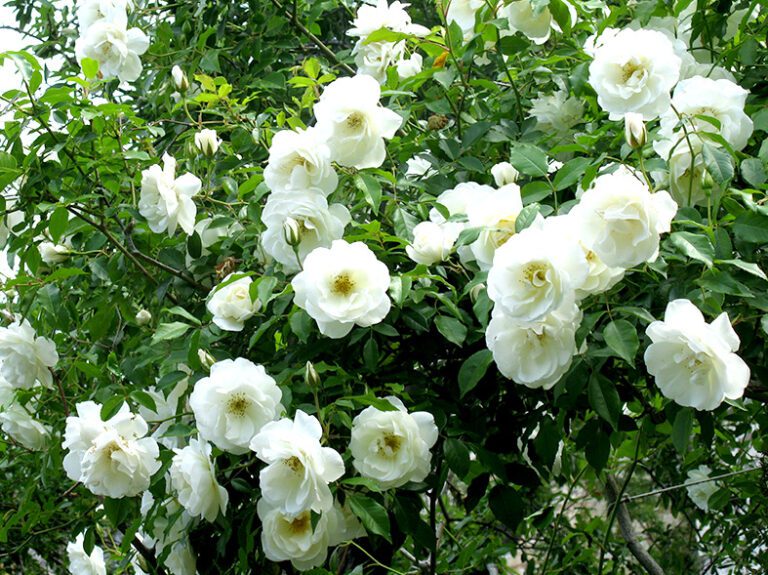
The sampaguita (scientific name Jasminum sambac, also known as Arabian jasmine) is an evergreen flowering shrub known for its small, star-shaped white blossoms and sweet, unmistakable fragrance. The blooms are modest in size but powerful in scent, releasing their perfume most strongly in the evening.
Though it is celebrated as a national symbol, the sampaguita was actually introduced to the Philippines centuries ago and has since been lovingly cultivated across the islands. Today it grows in gardens, backyards, and farms throughout the country, blooming almost year-round in the warm tropical climate.
The Sampaguita as the Philippine National Flower
The sampaguita was officially declared the national flower of the Philippines in 1934, through Proclamation No. 652 signed by then Governor-General Frank Murphy. It was chosen for its beauty, its wide familiarity among Filipinos, and the values it represents.
Its status as a national emblem places it alongside other Philippine floral icons, such as the waling-waling, recently recognized as the national orchid. Together, these flowers reflect the country’s rich natural heritage and the special place blooms hold in Filipino culture.
The Meaning and Symbolism of the Sampaguita
The sampaguita is far more than a pretty flower, it’s a symbol of some of the most cherished Filipino values. Its pure white petals are traditionally associated with:
- Purity and simplicity — reflected in its clean white color and unpretentious beauty.
- Fidelity and devotion — a symbol of faithful, lasting love.
- Humility and strength — small and gentle, yet resilient and enduring.
- Hope — a quiet reminder of brighter days.
Perhaps the most touching part of its story is the origin of its name. “Sampaguita” is widely believed to come from the Filipino phrase “sumpa kita,” meaning “I promise you.” According to legend, the name is tied to a tale of eternal love and unbroken vows, which is why the flower is so often linked to loyalty and devotion. If you love the idea of flowers carrying hidden messages, you’ll enjoy our guide to the language of flowers.
Common Uses of the Sampaguita
The sampaguita is woven into everyday Filipino life in beautiful ways. Some of its most common uses include:
- Garlands and leis — strung from buds or fresh blooms, sampaguita garlands are sold outside churches and given as a warm gesture of welcome, respect, or affection.
- Religious offerings — the flowers are draped over religious images and altars as a sign of devotion and gratitude.
- Weddings and special occasions — their symbolism of purity and faithful love makes them a meaningful choice for celebrations.
- Fragrance and wellness — jasmine’s calming scent has long been used in teas, perfumes, and traditional relaxation practices.
How to Care for Sampaguita at Home
Sampaguita is a favorite in Filipino gardens because it’s relatively easy to grow in our climate. It thrives in warm temperatures, plenty of sunlight, and well-draining soil. Regular watering and occasional pruning encourage fuller, more fragrant blooms. Because it flowers nearly all year, a single healthy plant can fill your garden with its signature scent again and again, a small piece of Filipino heritage right at home.
Celebrate Filipino Flowers with Flower Bar Cebu
The sampaguita reminds us how much beauty, meaning, and emotion a single flower can hold, values that inspire everything we do. At Flower Bar Cebu, we take pride in celebrating the beauty of Filipino flowers with fresh, affordable, and thoughtfully crafted arrangements for every occasion. Explore our guide to the most stunning native flowers of the Philippines, browse our flower bouquets, or discover our full flower collection to bring a little of that beauty into your day.
Frequently Asked Questions About the Sampaguita
Why is the sampaguita the national flower of the Philippines?
It was declared the national flower in 1934 through Proclamation No. 652 for its beauty, familiarity among Filipinos, and the values it represents, purity, devotion, and strength.
What does the sampaguita symbolize?
It symbolizes purity, simplicity, fidelity, humility, and hope. Its name is even linked to the phrase “sumpa kita” (“I promise you”), tying it to loyalty and lasting love.
Is the sampaguita native to the Philippines?
The sampaguita (Jasminum sambac) was introduced to the Philippines long ago and has been cultivated here for centuries. While not originally endemic, it has become a deeply cherished national symbol.
What is the sampaguita used for?
It is most famous for garlands and leis, religious offerings, and special occasions, and its fragrant blooms are also used in teas and perfumes.
A Small Flower with a Big Heart
From the garlands sold outside churches to the gardens of Filipino homes, the sampaguita is a humble flower that carries the heart of a nation. Its beauty, fragrance, and meaning make it a timeless symbol of everything we love about Filipino flowers. And when you’re ready to share that beauty with someone special, Flower Bar Cebu is here to help.

With years of experience as a trusted florist and flower shop owner in Cebu, Evelyn Aragon is the heart behind Flower Bar Cebu. Her local expertise in sourcing the freshest flowers and understanding Cebuano preferences ensures exceptional floral artistry for every occasion.